🗂️ Topic: Housing (5 guides, in situation order)
Getting a Phone in Japan: Three Tiers, Four Questions
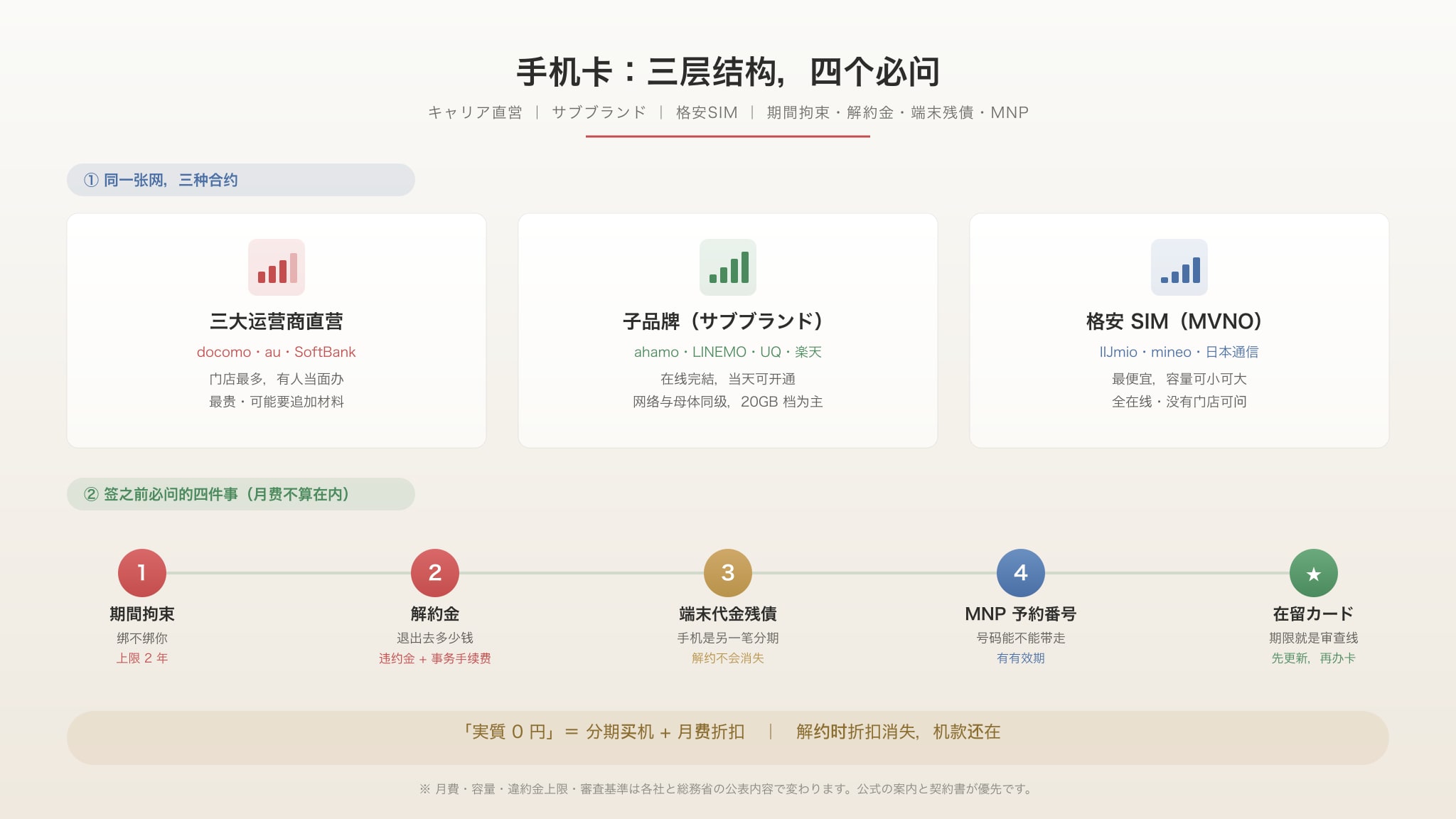
Getting a phone in Japan rarely fails on "which brand". It fails on three things nobody reads out to you: whether you can take your number with you (MNP), how long the contract holds you (kikan kōsoku), and whether the handset is a separate loan that survives cancellation. There is a fourth line that only matters if you are foreign: your Residence Card expiry date. Apply too close to it and the screen fails, or the line gets suspended later. This page covers the mobile line only — home fibre is in utilities and internet, and bank accounts in banking.
📅 Checked in November 2026Skip the flagship carrier shops for your first contract. For most people arriving in Japan the cheapest path through the paperwork is an online SIM from a sub-brand or an MVNO: you need a Residence Card, a payment method and a Japanese address, most of it is done online, and the line can go live the same day or within a few days — usually around half the flagship price, with exact plans per each operator's official terms. Before you sign, ask four questions, not one: ① is there a minimum contract term? ② what does cancelling cost? ③ how much handset instalment debt remains? ④ can I keep my number? All four sit in different parts of the same contract, which is exactly why "how much per month?" is the wrong question.
📶 Three tiers: flagship, sub-brand, MVNO
Japan's mobile market has three layers running on the same towers. What differs is the contract, the support and the price structure — not the signal. Once you see it that way, "which carrier has better coverage?" stops being the question.
| Tier | Examples | Roughly what it costs | Signing up | Who it suits |
|---|---|---|---|---|
| Flagship carrier shop | docomo / au / SoftBank | Highest. With calls and options, typically several thousand yen a month | Most branches, staff do it for you — but some branches ask for extra documents or Japanese conversation, and foreigners do get turned away | You want a person to set it up, or you are buying a handset at the same time |
| Sub-brand | ahamo (docomo), LINEMO (SoftBank), UQ mobile (au), Rakuten Mobile | Mid. Usually one flat price around a 20GB allowance | Almost entirely online; identity check via phone camera plus ID. Same network as the parent carrier | The default answer for most people — the balance point between price and reliability |
| MVNO ("格安SIM") | IIJmio, mineo, Nihon Tsushin and others | Lowest. From 1–3GB up to large allowances | Online only; support is chat or email, no shop to walk into. Some restrict payment methods | Light data use, comfortable reading instructions, want the fixed cost as low as possible |
| Prepaid / data-only SIM | Airports, electronics shops, online | One-off purchase, by month or by day | Passport is enough — no Residence Card needed | Short stays, just landed with no address yet, or you only need data for now |
* Coverage depends on bands and what is between you and the mast, not on how much you pay — the expensive carrier can still be the weak one in your flat. All operators offer cancellation without penalty if the signal at your address turns out to be unusable (the kakunin sochi rule; see the National Consumer Affairs Centre's explainer↗), but the conditions and window are per operator. Prices, allowances and throttling thresholds change, so this page does not quote them.
🪪 What you need: the identity check is the real gate
A monthly phone contract in Japan is subject to the Mobile Phone Improper Use Prevention Act, which obliges the operator to verify who you are. So "do you have a Residence Card?" is not a preference — it is the line between a contract and a prepaid SIM.
| Requirement | Required? | Where it goes wrong |
|---|---|---|
| Residence Card | Yes | Mandatory for a monthly contract. Without one you are limited to prepaid. A short remaining period of stay can mean refusal, or a contract capped to that period — the single most common reason foreigners are turned down |
| Payment method | Yes | Credit card (Japanese-issued is the safest), direct debit from a Japanese account, or debit card. Foreign-issued cards are refused fairly often, especially by MVNOs |
| Japanese address | Yes | The SIM and paperwork have to be delivered somewhere. It should match the address on your Residence Card; if it does not, expect to be asked why |
| My Number Card | Common | Used for the online identity check (eKYC). Without one, most operators accept a photo of your Residence Card plus a face scan |
| Age | Sometimes | Under-18s need parental consent; people who have just turned 18 often get asked for extra paperwork at this step |
Every operator asks for a slightly different set of extras (residence certificate, bankbook, student ID, employment letter). Go by the checklist on the application page at the time you apply — the same brand can ask for different things in a shop and online.
📝 The four things to check before signing
The price sheet shows the monthly fee. What actually binds you is four other items, spread across different pages of the contract. You have to ask.
| Check | Why it matters | What to ask |
|---|---|---|
| ① Minimum term | A fixed term means paying to leave early. The October 2019 amendment to the Telecommunications Business Act capped terms at two years, capped the early-termination penalty at ¥1,000, and requires you to re-choose at renewal rather than rolling over automatically (details and exceptions per MIC's official guidance) | "契約期間はありますか" / "更新は自動ですか" — is there a term, and does it auto-renew? |
| ② Cancellation charges | The same law caps the penalty, but an administration fee (事務手数料) can be charged on top, and short contracts have their own rules. Caps and exceptions per official guidance | "解約するといくらかかりますか" — ask for the total, not just the penalty |
| ③ Handset instalments | The phone is a separate credit agreement. Cancelling ends the line, not the loan: the balance is settled in one payment or keeps coming out monthly. "Effectively ¥0" is a monthly discount offsetting the handset — cancel, and the discount goes while the debt stays | "端末代金の残りはいくらですか" — how much is left, and can I pay it off at once? |
| ④ MNP (keeping your number) | To move networks with the same number you need an MNP reservation number from the old operator. It expires — miss the window and you start again — and a transfer fee may apply. Validity and fees per each operator | "MNP予約番号を発行してください" — and check for a minimum term first |
🔁 Switching but keeping your number: MNP in four steps
-
Settle three numbers with your current operator
Is there a minimum term, what does cancellation cost, how much handset debt is left. Those three decide whether switching is worth it at all. Then request the MNP reservation number — some operators issue it in the app. It has an expiry date; if it lapses you request another.
-
Apply with the new operator, quoting that number
Choose physical SIM or eSIM: eSIM needs no delivery but requires a compatible, unlocked handset. Once you submit the reservation number the old line will be cut over at activation — do not throw the old SIM away while you wait for the post.
-
Activate (the switch-over)
Follow the new operator's setup guide, including the APN profile — do not copy old parameters off a blog. The old SIM dies the moment the switch completes, so do not schedule anything that needs an SMS code that day.
-
Close out the old account
Check the final bill for cancellation charge, the last month's fee (prorated or full) and the handset balance, and cancel the direct-debit mandate and the online account. Leaving the old account open is the classic reason people keep being charged after they leave Japan.
⚠️ Your Residence Card date: the line only foreigners hit
- A short remaining stay can fail the screen. Applying with a few months left on your status often ends in refusal or a contract capped to that period. The sensible order is renew your status first, then get the SIM.
- After renewing, submit the new card. Most operators require a copy or photo of the renewed card within a set period; miss it and the line gets suspended. The window is per operator — do not wait for a reminder.
- If your status changes, the contract is affected. Quitting a job, leaving a course or divorcing can change your status of residence, and the operator may require a change of contract holder or cancellation. People discover this when the bill arrives.
- Change your address when you move. An out-of-date address on a phone contract means bills and notices go to the old flat, and arrears and suspension start there. Do it in the same trip as your moving-in notice — see moving house.
⚠️ Lending your name to a contract is a criminal offence, not a favour
Taking out a line in your name for someone else, or buying and using a SIM registered to somebody else, falls under the Mobile Phone Improper Use Prevention Act: false declarations of identity, lending your name, and paid transfer or acquisition of a line all carry penalties (fines, and in some cases imprisonment), on top of being blacklisted by operators for future contracts. A family sharing one contract is a different thing — that is a legitimate family plan under one holder. Swapping who the contract holder is, is not. Penalties and scope per MIC's official guidance.
💸 Six ways people lose money
- Treating the handset and the line as one bill. "Effectively ¥0" means instalments plus a monthly discount. Cancel and the discount vanishes while the instalments continue. Write the two numbers down separately when you sign.
- Applying with a few months left on your status. Renew first. Repeated refusals across several operators make the next application harder.
- Comparing monthly fees but not what happens after the data cap. Cheap plans throttle hard once the allowance is used. Thresholds and post-cap speeds are per operator — check your actual monthly usage first.
- Assuming a mid-month cancellation is prorated. Some operators bill the full month, some prorate. One question before signing beats one argument afterwards.
- Leaving without cancelling. The line keeps billing, unpaid amounts go to collections, and it can complicate future entry or credit checks. Cancel, settle, and cancel the direct debit before you fly, and confirm the final bill.
- Treating home internet as an add-on to the phone. Fibre needs installation and often weeks of notice — a separate contract entirely. See utilities and internet.
❓ Common questions
Can I get a phone without a Residence Card, or on a short stay?
A monthly contract is effectively closed to you: the identity check requires official ID such as a Residence Card, and a tourist or business-visitor status is not one that supports a monthly line. Prepaid SIMs, including data-only eSIMs, can be bought with a passport — airports, electronics shops and online — and are enough for maps, taxis and receiving verification codes. What is on sale and on what terms is per each operator.
What if my application is refused?
Four usual causes: too little time left on your status, an address that does not match your ID, a payment method the operator will not take, and being under 18 without consent. Working through those beats trying another brand immediately, because repeated refusals leave a trail. The efficient order is: renew your status → get a Japanese card or a Japanese account → align your address with the Residence Card → then apply. Operators generally will not tell you the specific reason, which is normal and not personal.
Can a family member take out the contract for me?
The contract holder has to be you. Lending a name — someone signing in your place, or you using a line registered to someone else — is prohibited under the Mobile Phone Improper Use Prevention Act, and both sides can be penalised. A family sharing one holder's contract (an official family plan) is a different arrangement. Do not swap the name on the contract to save effort.
Phone first or bank account first?
Usually the phone: opening an account, applying for a flat and most online procedures all want a Japanese number that receives SMS, while a SIM needs only your Residence Card and a payment method. The exception is paying the phone bill by direct debit, which requires an account first — use a card in the meantime. On the banking side, see opening a bank account.
eSIM or a physical SIM?
eSIM needs no delivery and can be live the same day, which suits someone who has just landed and needs a number now; the trade-off is reissuing it when you change handset, and some budget plans do not offer it. A physical SIM travels between phones more easily but you wait for the post. Check that your handset supports eSIM and is unlocked — get that wrong and you wait twice. Support is per operator and per handset spec.
What should I do before leaving Japan?
Three things: cancel the line (or confirm a minimum-keep option), settle the handset balance and the final bill, and cancel the direct debit and account login. Do only the first and the instalments and last month keep charging. If you paid a deposit or prepaid credit, confirm how it is refunded. For sending money out, see sending money home.
Official sources: MIC — consumer protection rules for telecoms ↗ |MIC — identity checks for mobile contracts ↗ |National Consumer Affairs Centre — contract documents and cooling-off ↗ |TCA — identity verification Q&A ↗
Next
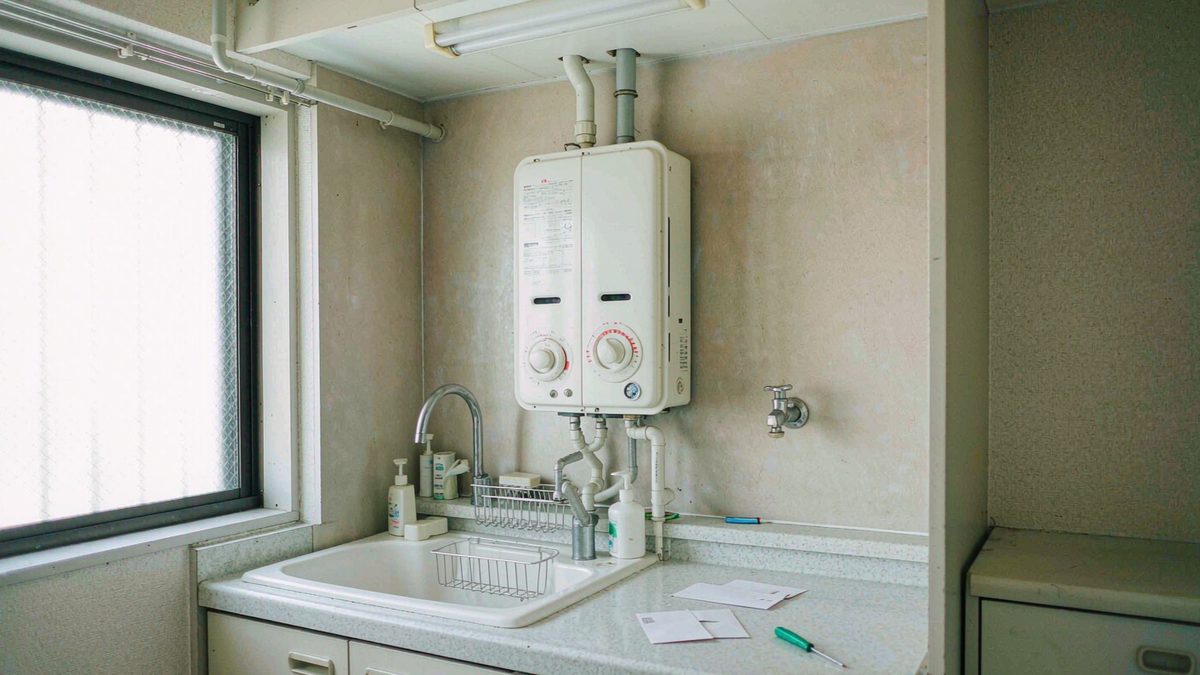
Utilities and internet
Your phone works on day one; fibre needs an installation slot and often weeks of notice. The order for all four services
Read the guide →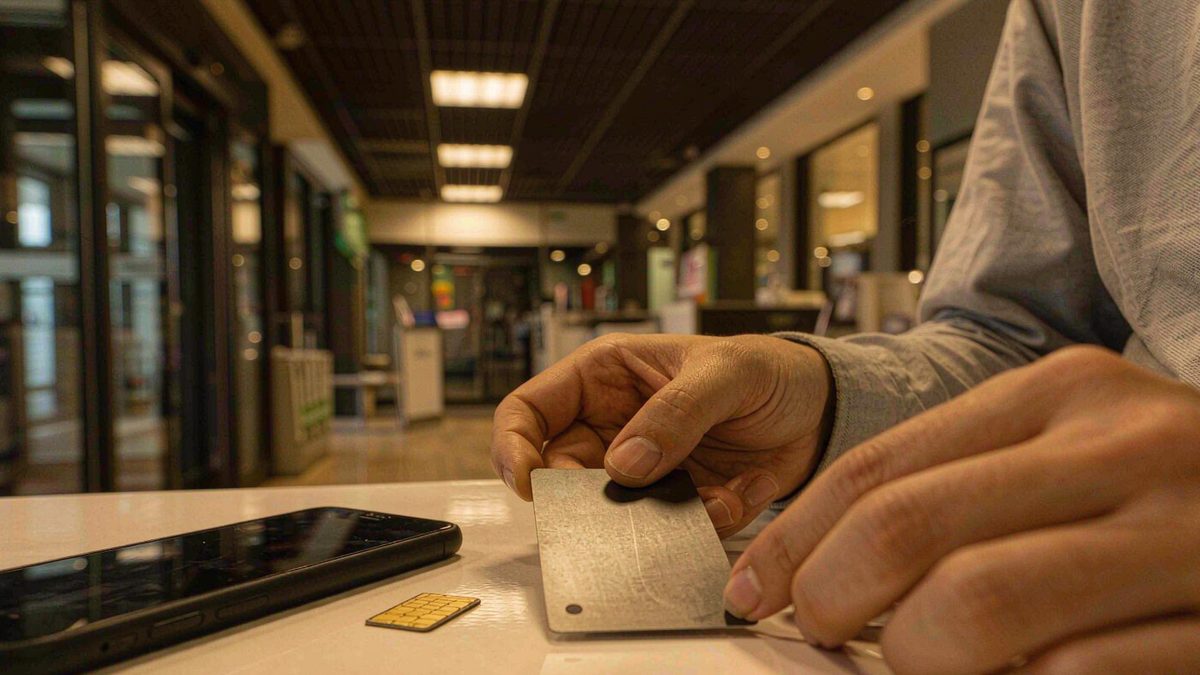
Banking and phone contracts
The account needs a phone number, the SIM needs a payment method. Which to do first, and which banks are realistic when you have just arrived
Read the guide →
Moving house
A new address means updating the phone contract too — the timeline for the moving notices and your Residence Card address
Read the guide →Housing topic index
Five guides in time order: finding a flat, the phone line, utilities, moving paperwork, rubbish rules